

Designed to find inspirations Travel reels
Munich
Munich’s culinary landscape is a delightful fusion of hearty Bavarian tradition and sophisticated haute cuisine. From centuries-old beer halls serving classic pork knuckles to avant-garde Michelin-starred establishments, the Bavarian capital offers a dining experience for every palate. This guide explores the ten best restaurants that define Munich’s gastronomic excellence.
Welcome to Munich: A Symphony of Bavarian Flavors and Culinary Art
Munich’s culinary landscape is a captivating journey through taste and time. It is a city where the jovial atmosphere of a centuries-old beer hall, complete with hearty pork knuckles and steins of world-famous lager, coexists harmoniously with the hushed, reverent ambiance of a three-Michelin-star restaurant presenting edible art. The Bavarian capital masterfully balances its deep-rooted traditions with a forward-thinking approach to global gastronomy. Whether you’re seeking the comfort of a perfectly crafted dumpling or the thrill of an avant-garde tasting menu, Munich’s dining scene offers a rich tapestry of experiences waiting to be discovered. This guide delves into the ten premier establishments that represent the pinnacle of Munich’s diverse and exceptional culinary offerings.

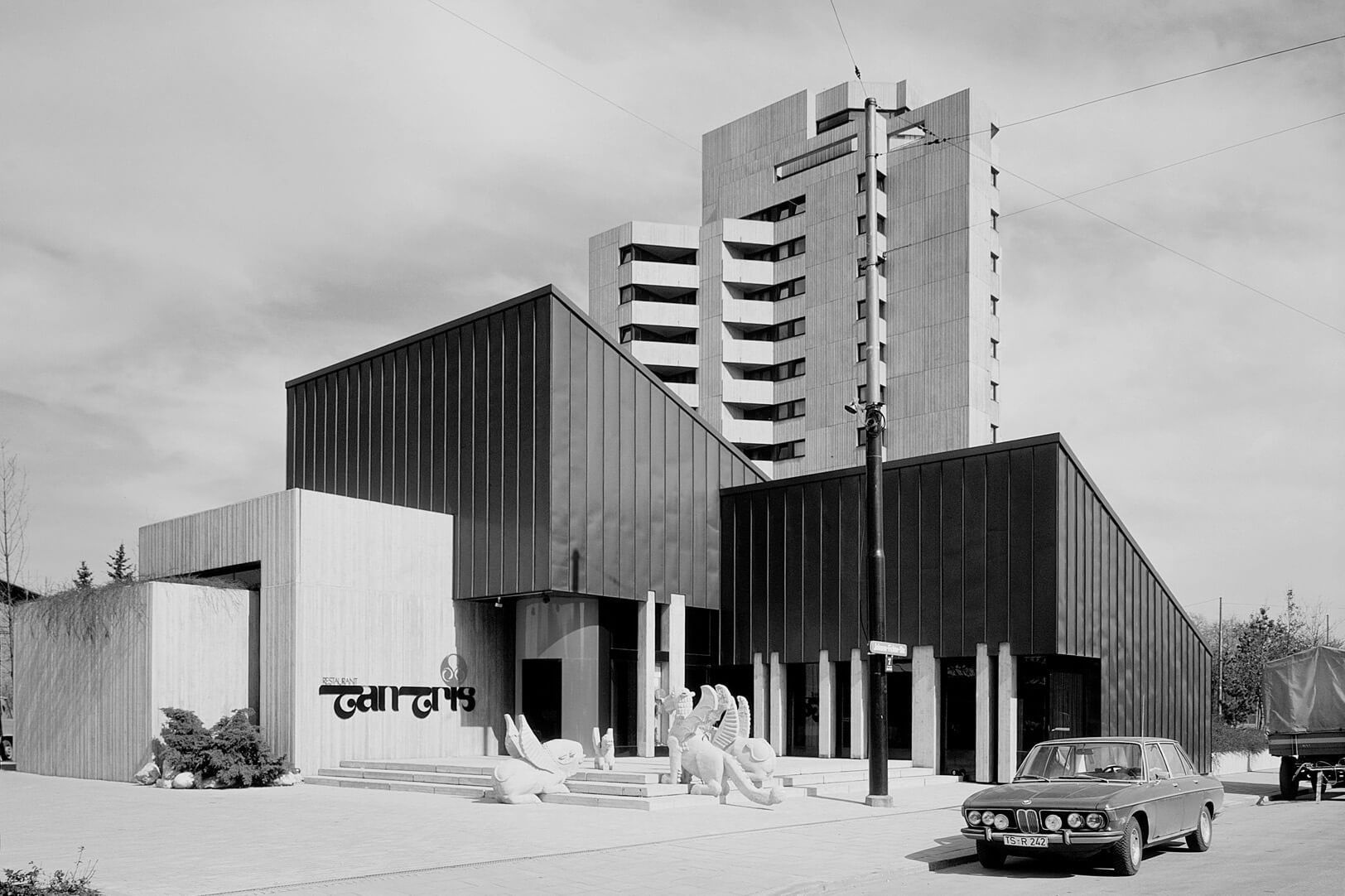
Tantris Maison Culinaire
The Place: An icon of German gastronomy since 1971, Tantris is a temple of culinary art. With its striking 70s architecture and two distinct Michelin-starred concepts under one roof (the 2-star Tantris DNA and the 1-star Tantris), it offers an unforgettable fine dining experience rooted in French cuisine.
My Top Pick: The multi-course tasting menu, which is a journey through modern culinary history.
Tantris Maison Culinaire
The Place: An undisputed institution in German fine dining, Tantris has been a beacon of culinary excellence since 1971. Its iconic, bold 70s architecture designed by Justus Dahinden is as famous as its food. Now operating as ‘Maison Culinaire’, it houses two distinct, Michelin-starred concepts: the 2-star ‘Tantris DNA’ which celebrates its French haute cuisine heritage, and the 1-star ‘Tantris’, offering a more contemporary menu. A visit here is not just a meal; it’s an immersion in gastronomic history.
My Top Pick: The comprehensive tasting menu at Tantris DNA, which serves as a masterclass in the evolution of modern French-inspired cuisine.
Look my personal experience
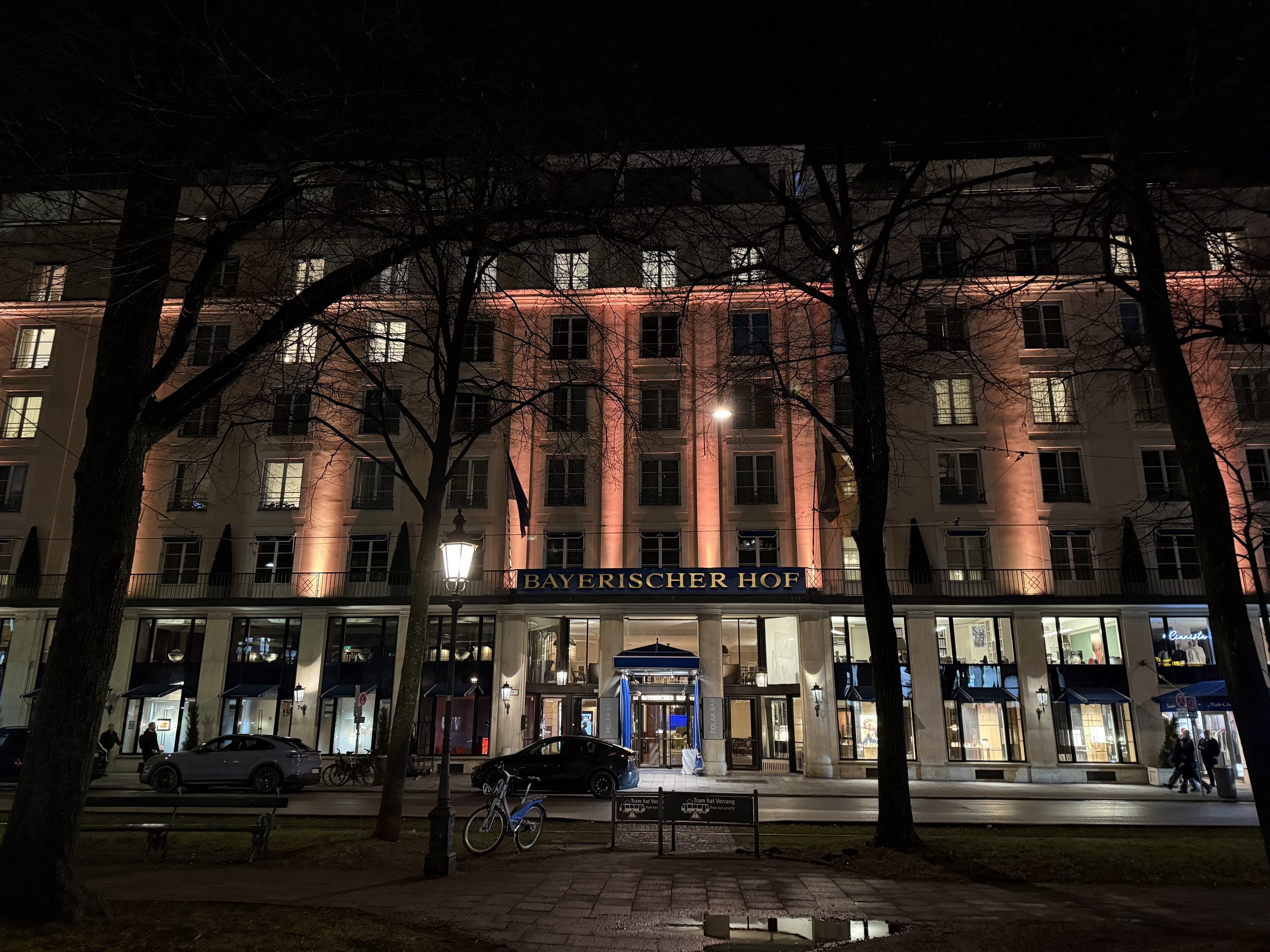
Atelier
The Place: Located in the luxurious Bayerischer Hof hotel, Atelier is one of the few restaurants in Germany to hold three Michelin stars. Chef Jan Hartwig’s creations are masterpieces of flavor and aesthetics, presented in an intimate, art gallery-like setting.
My Top Pick: Signature dish ‘Kaisergranat’ (langoustine) with fermented onion and bergamot.
Atelier
The Place: Nestled within the prestigious Bayerischer Hof hotel, Atelier is the crown jewel of Munich’s dining scene, holding the highest honor of three Michelin stars. Chef Jan Hartwig orchestrates a symphony of flavors, where each dish is a meticulously crafted work of art. The restaurant’s interior, designed by Axel Vervoordt, resembles a private art studio, creating an intimate and exclusive atmosphere for the 25 guests it accommodates. Dining at Atelier is a serene, contemplative, and utterly unforgettable experience.
My Top Pick: The restaurant’s signature ‘Kaisergranat’ (langoustine), often creatively paired with ingredients like fermented onion and bergamot, showcases the kitchen’s technical prowess.
Look my personal experience

Tohru in der Schreiberei
The Place: Housed in a historic city building, this 2-Michelin-star restaurant offers a unique ‘Franco-Japanese’ culinary narrative. Chef Tohru Nakamura masterfully blends European techniques with Japanese precision and philosophy, creating dishes that are both innovative and deeply satisfying.
My Top Pick: The constantly evolving tasting menu that showcases seasonal, local, and Japanese ingredients.
Tohru in der Schreiberei
The Place: Set within one of Munich’s oldest townhouses, the 2-Michelin-star Tohru in der Schreiberei is a stunning blend of history and modernity. Chef Tohru Nakamura, with his German-Japanese heritage, has crafted a unique culinary style he calls ‘Franco-Japanese’. This philosophy translates into dishes that are precise, technically brilliant, and deeply flavorful, using the best of European ingredients through a Japanese lens. The experience is refined, personal, and full of delightful surprises.
My Top Pick: The full ‘Omakase’ style tasting menu is the definitive way to experience Chef Nakamura’s vision, showcasing the best seasonal ingredients from both Bavaria and Japan.
Look my personal experience

EssZimmer
The Place: Perched atop the BMW Welt, EssZimmer by Bobby Bräuer boasts two Michelin stars and stunning architectural views. The cuisine is light, modern, and creative, offering a relaxed yet supremely elegant fine-dining experience.
My Top Pick: Glazed Veal Sweetbread with Perigord Truffle.
EssZimmer
The Place: Offering a unique setting on the third floor of the futuristic BMW Welt, EssZimmer provides a dining experience that is both luxurious and surprisingly relaxed. Chef Bobby Bräuer has earned two Michelin stars for his light, creative, and flawlessly executed dishes. The warm, elegant interior with leather, dark wood, and an open fireplace creates a welcoming contrast to the modern steel and glass architecture visible through the windows. It’s fine dining with a comfortable, unstuffy soul.
My Top Pick: The Glazed Veal Sweetbread, often paired with luxurious ingredients like Perigord Truffle, is a testament to the kitchen’s classic technique and modern sensibility.
Look my personal experience

Schwarzreiter Tagesbar & Restaurant
The Place: This 1-Michelin-star restaurant in the Hotel Vier Jahreszeiten Kempinski reinterprets Bavarian cuisine. Named after the local char fish, it focuses on ‘Young Bavarian’ dishes, elevating regional products with modern flair.
My Top Pick: The namesake ‘Schwarzreiter’ fish, prepared in various creative ways.
Schwarzreiter Tagesbar & Restaurant
The Place: Located in the grand Hotel Vier Jahreszeiten Kempinski, the 1-Michelin-star Schwarzreiter champions ‘Young Bavarian Cuisine’. Chef Maike Menzel takes regional products and traditional recipes and reimagines them with a light, contemporary touch. The restaurant, named after a local variety of char fish, offers both a fine dining menu and a more casual ‘Tagesbar’ (day bar) for lighter meals, making it accessible for different occasions.
My Top Pick: It is essential to try the namesake ‘Schwarzreiter’ (Arctic char), which the kitchen prepares in various innovative and delicious forms throughout the year.
Look my personal experience

Broeding
The Place: An intimate restaurant in Neuhausen focused on a single, daily-changing six-course tasting menu. Broeding is celebrated for its exceptional Austrian-influenced cuisine and one of the best Austrian wine cellars in Germany. It’s a true gem for food and wine lovers.
My Top Pick: The surprise six-course menu with wine pairing.
Broeding
The Place: For those who appreciate a focused, purist approach to dining, Broeding is a must-visit. This intimate restaurant in the Neuhausen district offers a single, no-choice, six-course tasting menu that changes daily based on the best available market produce. The cuisine has a strong Austrian influence, and the restaurant is particularly lauded for its phenomenal wine list, which holds one of the most extensive collections of Austrian wines in Germany. The passion for food and wine here is palpable.
My Top Pick: The complete surprise six-course menu with the expertly curated wine pairing is the only way to go, offering a perfect symphony of food and drink.
Look my personal experience

Spatenhaus an der Oper
The Place: For classic, upscale Bavarian dining with a view, Spatenhaus is unparalleled. Overlooking the National Theatre, it serves impeccably prepared traditional dishes in a refined, historic setting. The upstairs dining rooms are more formal.
My Top Pick: Crispy roasted duck with red cabbage and potato dumplings.
Spatenhaus an der Oper
The Place: Spatenhaus an der Oper is the epitome of classic, upscale Bavarian hospitality. Perfectly situated opposite the magnificent Bavarian State Opera, it offers two floors of dining. The ground floor is a more traditional and bustling affair, while the elegant upstairs dining rooms provide a more refined atmosphere with stunning views. The menu is a love letter to Bavarian cuisine, with all the classics executed to perfection using high-quality ingredients.
My Top Pick: The crispy roasted duck served with homemade red cabbage and potato dumplings is a benchmark dish and a true taste of traditional Bavarian indulgence.
Look my personal experience
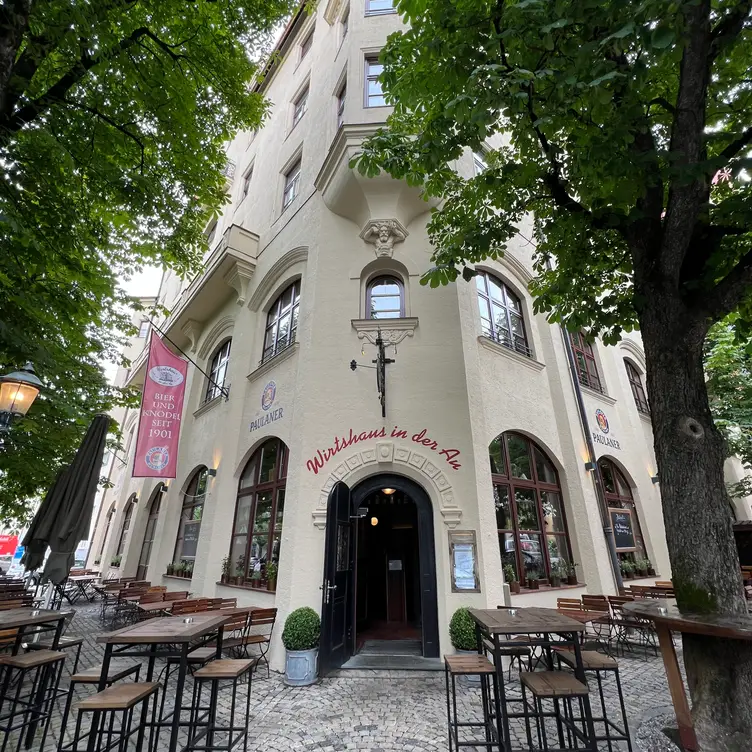
Wirtshaus in der Au
The Place: A quintessential Munich experience, this lively Wirtshaus is famous for its Knödel (dumplings). Offering a cozy, traditional atmosphere with a lovely beer garden, it’s the perfect place for authentic, high-quality Bavarian comfort food.
My Top Pick: The ‘Knödel-Dreierlei’ – a trio of different savory dumplings.
Wirtshaus in der Au
The Place: For an authentic, lively, and utterly delicious taste of traditional Munich, Wirtshaus in der Au is a top choice. This beloved institution is particularly famous for its incredible variety of Knödel (dumplings), both savory and sweet. The atmosphere is warm and convivial, with a large, shaded beer garden that’s perfect for summer evenings. It’s a place where locals and visitors alike come for high-quality, unpretentious Bavarian comfort food.
My Top Pick: The ‘Knödel-Dreierlei’ – a trio of spinach, cheese, and bacon dumplings served with melted butter and salad – is a perfect introduction to their specialty.
Look my personal experience

Ratskeller München
The Place: Located in the vaulted cellars beneath Munich’s New Town Hall on Marienplatz, Ratskeller offers a historic and atmospheric dining experience. The vast menu features a wide range of Franconian and Bavarian specialties.
My Top Pick: Schweinshaxe (roasted pork knuckle) with a stein of local beer.
Ratskeller München
The Place: Dining in the neo-gothic, vaulted cellars of Munich’s New Town Hall is an experience in itself. The Ratskeller is a sprawling, historic restaurant right on Marienplatz, offering a journey back in time. With its labyrinthine rooms and traditional decor, it’s a feast for the eyes as well as the palate. The extensive menu features a huge array of Bavarian and Franconian classics, ensuring there’s something for everyone in this iconic location.
My Top Pick: The classic Bavarian Schweinshaxe (roasted pork knuckle) is a formidable and delicious choice, best enjoyed with a large stein of local beer.
Look my personal experience
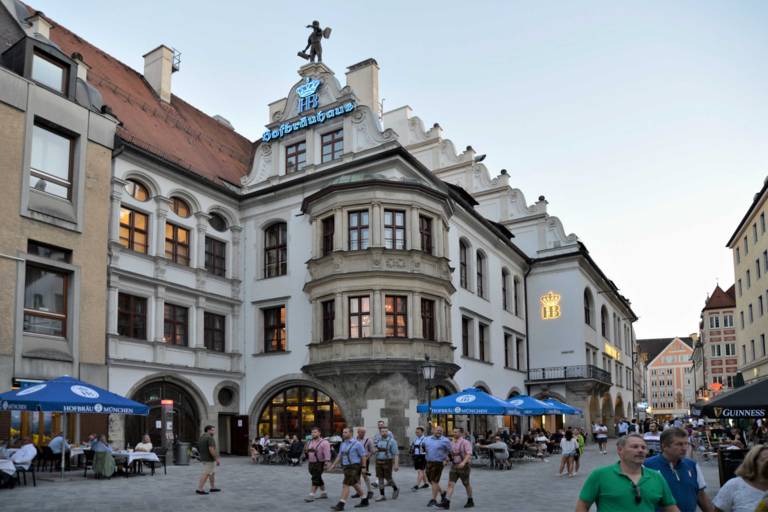
Hofbräuhaus München
The Place: While more of a cultural institution than a gourmet destination, no list is complete without the world’s most famous beer hall. It’s a boisterous, essential Munich experience with live oompah bands, massive beer steins, and classic pub fare.
My Top Pick: A fresh ‘Maß’ (liter) of Hofbräu Original beer and a giant pretzel.
Hofbräuhaus München
The Place: No culinary tour of Munich is truly complete without stepping into the world-famous Hofbräuhaus. While it’s more of a vibrant cultural landmark than a fine dining destination, the experience is essential. The massive main beer hall is a cacophony of oompah music, clinking glasses, and cheerful crowds. It’s a place to embrace Bavarian ‘Gemütlichkeit’ (coziness and conviviality) and enjoy simple, hearty food.
My Top Pick: The quintessential experience is ordering a ‘Maß’ (a one-liter stein) of Hofbräu Original beer and a giant, freshly baked pretzel.
Look my personal experience
Bonus:
The Place: For a more casual but equally delicious experience, don’t miss the Viktualienmarkt. This daily food market in the heart of Munich features numerous stalls and a central beer garden where you can sample local cheeses, sausages, and other delicacies.
Bonus:
The Place: Beyond formal restaurants, a visit to the Viktualienmarkt is an absolute must for any food lover. This sprawling open-air market, dating back to 1807, is the culinary soul of the city. Explore the hundreds of stalls selling fresh produce, artisanal cheeses, exotic fruits, and local meats. The market’s central beer garden is a democratic melting pot where you can grab a beer and enjoy food from any of the surrounding stalls, from fresh seafood to the perfect bratwurst.
Look my personal experience
Expert’s Opinion: One to Choose?
Deciding on a single restaurant in Munich depends entirely on the experience you seek. Here are two top recommendations for different tastes:
- For Unforgettable Haute Cuisine: Choose Atelier. A three-Michelin-star dinner is a rare event, and Chef Jan Hartwig’s culinary artistry provides a truly once-in-a-lifetime gastronomic journey. It’s the pinnacle of fine dining in Munich.
- For Elevated Bavarian Tradition: Opt for Spatenhaus an der Oper. It delivers the quintessential upscale Bavarian experience with flawless execution of classic dishes, professional service, and a magnificent view of the opera house. It’s refined tradition at its best.
Expert’s Opinion: One to Choose?
Munich’s dining spectrum is incredibly broad, making a single ‘best’ choice impossible. The ideal restaurant depends on your desired experience—be it a formal celebration, a deep dive into local culture, or a taste of the avant-garde. To help you decide, here are my top recommendations for two distinct culinary paths:
- For the Ultimate Gastronomic Splurge: Without a doubt, Atelier is the choice. Securing one of Germany’s few three-Michelin-star ratings puts it in a rarefied league. A meal here is a performance, a form of edible art that engages all the senses. It’s an investment in a culinary memory that will last a lifetime, perfect for a milestone celebration or for the discerning gourmand seeking the absolute pinnacle of creative cuisine.
- For Refined and Authentic Bavarian Elegance: My choice is Spatenhaus an der Oper. This restaurant beautifully bridges the gap between a rustic beer hall and stuffy fine dining. It presents the very best of Bavarian traditional dishes, prepared with superior ingredients and technique, in a wonderfully civilized and historic setting. The view of the opera house adds a touch of magic, making it the perfect choice for a special evening that feels both luxurious and authentically Munich.
Our search Hotels desgned just for you
Travel Guides: Munich, Germany
Your guide to making the most of your Munich adventure.
1. Reservations, Dress Code, and Timing
Reservations are Essential: For Michelin-starred restaurants like Atelier, Tantris, or Tohru, it is imperative to book weeks, and often months, in advance, especially for weekend dining. Use their online reservation systems or call directly. For popular upscale restaurants like Spatenhaus, a week or two is advisable. Even for casual Wirtshäuser, calling ahead for dinner is a smart move to avoid disappointment.
Understanding the Dress Code: Munich is a stylish city. For any restaurant with a Michelin star, ‘smart casual’ is the absolute minimum (no shorts, t-shirts, or athletic shoes). Most patrons will be in business casual or more formal attire. For high-end traditional restaurants, a collared shirt and trousers for men are appropriate. Beer halls and gardens are entirely casual.
Dining Times: Germans tend to eat dinner earlier than in Southern Europe. Peak restaurant hours are typically between 7 PM and 9 PM. Lunch is usually served from 12 PM to 2:30 PM.
Reservations and Dress Code
Reservations are Essential: For any Michelin-starred or popular upscale restaurant, book weeks, if not months, in advance. For traditional Wirtshäuser, a few days’ notice is often sufficient, but always recommended.
Dress to Impress: Fine dining establishments expect smart casual at a minimum, with many guests opting for business attire. Traditional beer halls are very casual, but upscale Bavarian restaurants like Spatenhaus call for a neat appearance.
2. A Culinary Map of Munich’s Districts
Altstadt (Old Town): This is the historic and tourist heart of the city. Here you will find the most famous and historic beer halls (Hofbräuhaus), grand cafes, and traditional restaurants like the Ratskeller. It’s also home to the Viktualienmarkt and high-end dining near the Bavarian State Opera.
Schwabing: Historically the city’s bohemian quarter, Schwabing is now an elegant and affluent district. It’s home to legendary institutions like Tantris and a wide array of high-quality international restaurants, trendy bistros, and charming cafes along Leopoldstraße.
Glockenbachviertel: Munich’s vibrant, trendy LGBTQ+ friendly neighborhood is a hotspot for foodies. The streets are lined with innovative, modern restaurants, third-wave coffee shops, and stylish cocktail bars. It’s the place to go for a more contemporary and international dining experience.
Maxvorstadt: Known as the museum quarter, this area has a sophisticated, intellectual vibe. You’ll find a great mix of student-friendly eateries, classic Italian restaurants, and chic modern bistros catering to the gallery-hopping crowd.
Navigating Munich’s Culinary Scene
Altstadt (Old Town): Home to historic beer halls like Hofbräuhaus and Ratskeller, as well as upscale spots near the opera.
Schwabing: This bohemian district is filled with trendy bistros, international cuisine, and culinary legends like Tantris.
Glockenbachviertel: Known for its vibrant nightlife, this area also boasts a high concentration of modern, innovative restaurants and chic cafes.
3. A Deeper Dive into Bavarian Specialties
Weißwurst: This delicate white sausage is a morning institution. Tradition dictates it should not ‘hear the midday bells’. It’s gently heated in water (never boiled) and served with sweet mustard, a fresh pretzel (Brezn), and a wheat beer (Weißbier). Many Bavarians peel the skin off before eating.
Schweinshaxe & Schweinebraten: Don’t confuse the two! Schweinshaxe is the roasted pork knuckle, prized for its crispy skin. Schweinebraten is a slice of roasted pork, typically from the shoulder, served in a dark beer gravy with a piece of crackling on top. Both are usually served with Knödel.
Knödel: Dumplings are a cornerstone of Bavarian cuisine. Semmelknödel (bread dumplings) and Kartoffelknödel (potato dumplings) are the most common savory types. You’ll also find specialty versions like the Spinatknödel (spinach) at Wirtshaus in der Au.
Käsespätzle: Germany’s answer to mac and cheese, this is a hearty dish of soft egg noodles mixed with grated cheese (often Emmental) and topped with crispy fried onions. It’s a vegetarian staple in most traditional restaurants.
Must-Try Bavarian Specialties
Weißwurst: A traditional white sausage made from minced veal and pork back bacon. It’s a breakfast specialty, typically served with sweet mustard, a pretzel, and Weißbier.
Schweinshaxe: A roasted pork knuckle with a crispy crackling skin, often served with potato dumplings and gravy.
Obatzda: A spiced Camembert cheese spread, a classic beer garden snack served with rye bread or pretzels.
4. The Art of Tipping and German Dining Etiquette
The Tipping Process: The standard practice is to tip around 5-10% of the bill for good service. The key difference from many countries is how you give the tip. When your server brings the bill, you state the total amount you want to pay, including the tip. For example, if your bill is €88, you can hand them a €100 note and say “Stimmt so” (keep the change) or, more precisely, “Machen Sie 95” (make it 95). Leaving money on the table after paying is uncommon.
General Etiquette: It is polite to make eye contact and say “Guten Appetit” to your dining companions before starting your meal. Keep your hands on the table (wrists resting on the edge), not in your lap. When finished, place your knife and fork parallel to each other at the 4 or 5 o’clock position on the plate to signal you are done.
Tipping Etiquette in Germany
Service is Included: By law, service charges are included in the menu prices. However, tipping (Trinkgeld) for good service is customary.
How to Tip: A tip of 5-10% is considered generous. Instead of leaving cash on the table, it’s common to tell the server the total amount you wish to pay. For example, if the bill is €46, you might say “Fünfzig, bitte” (€50, please) when paying.
Our search Hotels desgned just for you